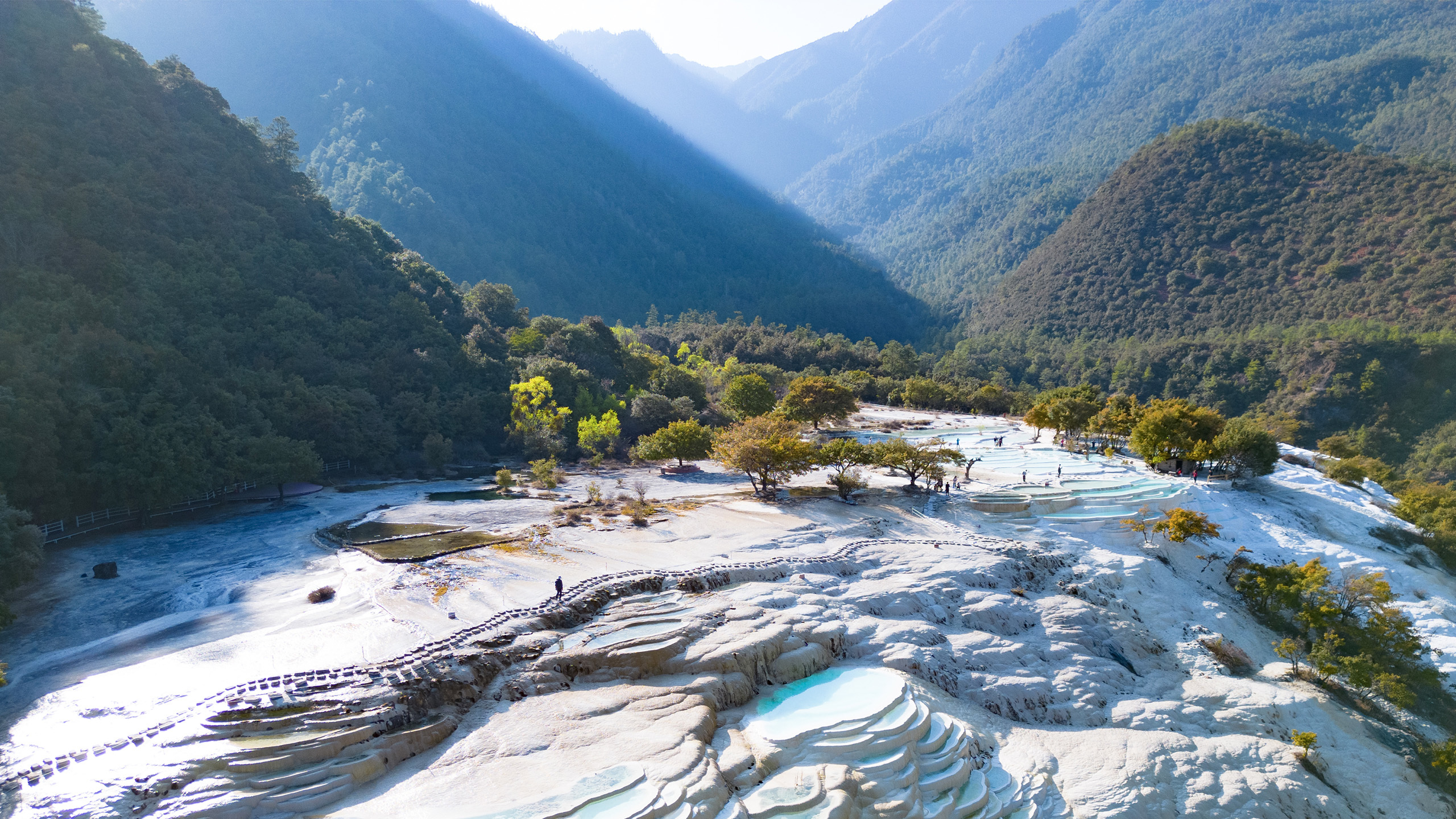
On the eighth day of the second month of the lunar calendar, the "Weishuada Lili" dance is performed at Baishuitai.
Classification:
Bai Shui Tai Scenic Area

Detailed description
The traditional festival theme song and dance "Weishuada Lili" in the lunar calendar on the eighth day of the second month is also known as "Yalili" and "Akabala." The music of this song and dance is melodious, the singing is powerful and bright, the dance movements are vigorous, and the lyrics are very rich.
The lyrics express the wish of people at that time to not want to part after gathering, to always be together. They reflect the living conditions of people lacking salt and tea, while also expressing the bold language of overcoming life's difficulties; they convey that life will encounter various natural disasters, and one must establish the confidence and determination to overcome these disasters, as the disaster is temporary, while people's desire for a better life is eternal; they sing of people forever indulging in the sweet life of happiness, and the beautiful longing that joyful times can never fully express.
Key words:
Bai Shui Tai Scenic Area
traditional
festival
theme
expressing
overcoming
movements
Previous:
Scenic Spots
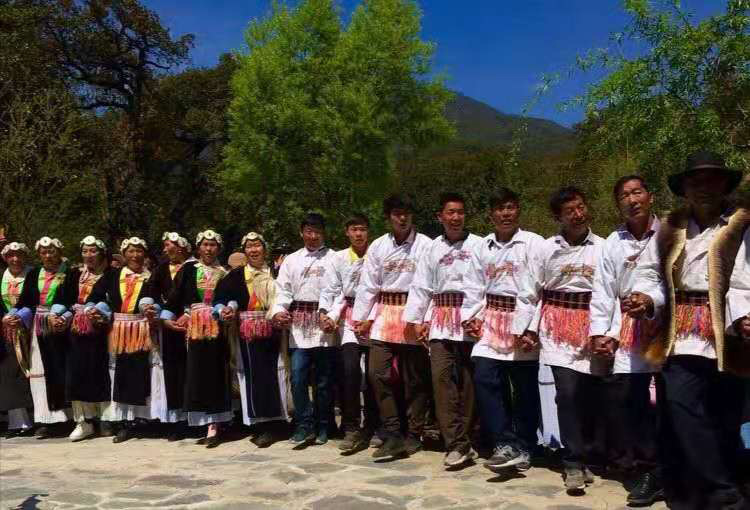
The traditional festival theme song and dance "Weishuada Lili" in the lunar calendar on the eighth day of the second month is also known as "Yalili" and "Akabala." The music of this song and dance is melodious, the singing is powerful and bright, the dance movements are rhythmically robust, and the lyrics are very rich.
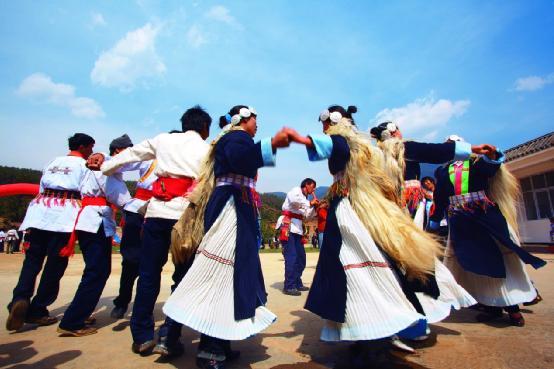
Every year on the eighth day of the second month of the lunar calendar is the national festival of the Naxi ethnic group. Families from the Naxi, Tibetan, Yi, Han, Lisu, Bai, Hui, and other ethnic groups within a hundred miles gather at Baishuitai to worship the gods, enjoy spring outings, and have picnics.
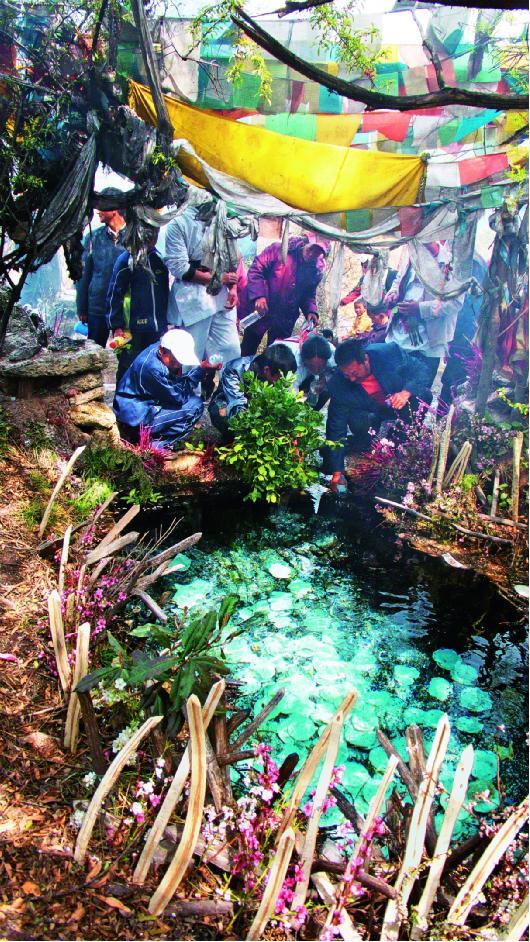
The Bowan Village holds a ceremony to worship the heavens at this altar on the seventh day of the second lunar month each year. The main altar is dedicated to the heavenly god (the father-in-law of the human ancestor Chongren Lien), the earth god (the mother-in-law of Chongren Lien), and the heavenly uncle (the uncle of the grandmother Chen Heng Baobai); the left side is dedicated to the natural god "Shu" and the altar for burning incense to the heavens.

The water source that created the natural wonder of Baishuitai has been revered as a sacred spring by the Naxi people for generations. The ancient Dongba texts record that the deity "Shu" who governs the natural world resides in this sacred spring, hence residents from near and far often come here to worship and pray for blessings and disaster relief.

Dear travel agencies and friends of tourists: The protective risk elimination and facility maintenance work at the Upper Tiger Leaping Gorge scenic area, conducted by Diqing Prefecture Shangri-La Tiger Leaping Gorge Tourism Management Co., Ltd. (hereinafter referred to as: the company), will be completed on December 30. After the company's research and decision, it will officially resume operations on December 31, 2023, at 8:00 AM. This is a formal announcement.

In the past ten years, Kanglv has always shouldered political responsibility and demonstrated the accountability of state-owned enterprises.
Diqing Shangri-La Tiger Leaping Gorge Tourism Management Co., Ltd.
Service Hotline:0887-8806982
Service E-mail:786245727@qq.com
Address: Tiger Leaping Gorge Town, Shangri-La City, Diqing Tibetan Autonomous Prefecture, Yunnan Province
Quick Navigation
Focus on us

Public Number

Online booking
Copyright: Diqing Shangri-La Tiger Leaping Gorge Tourism Management Co., Ltd.